Mumbai civil contractor appointment guide
What a civil contractor does and where the job hands over.
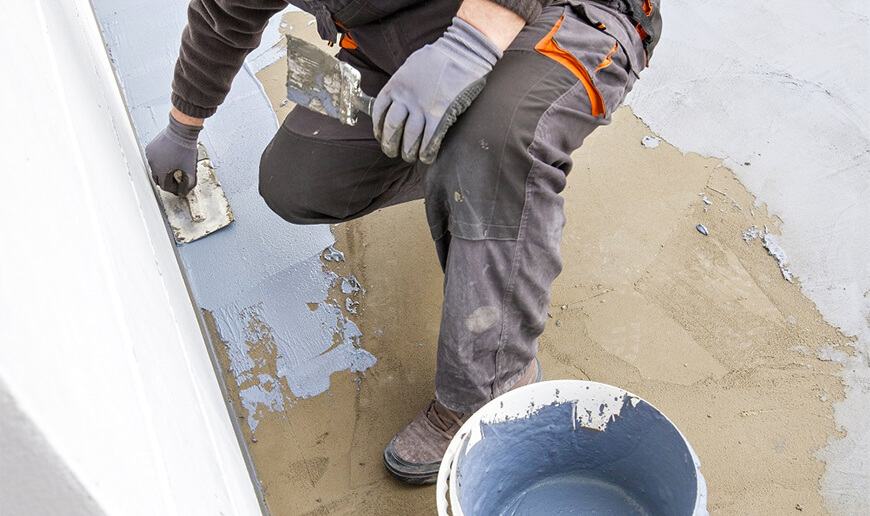
A civil contractor handles the structure and shell of a renovation. That covers demolition of non-structural walls, new brick or block walls, plaster, concrete patching, door and window frame fixing, chasing walls for pipes and wires, filling and levelling floors, waterproofing base coats and debris removal. Some firms also lay tiles and do painting, but many hand those over. The plumber and electrician lay their pipes and conduits in the chases the civil team cuts, then the civil team closes them. The flooring contractor takes over once the screed is level and cured. False ceiling, carpentry and painting start after civil work is finished and the site is dust free. Ask each firm to write down exactly where its work stops.
How to vet a civil contractor before you pay.
Ask for the GST registration of the firm and match the name on it to the name on the quotation and the bank account. A sole proprietor may not have GST, so check a PAN and Aadhaar copy instead and keep them on file. Visit one site where work is running and one finished at least a year ago. At the running site, look at how debris is stacked, whether the lift and lobby are protected, and whether the supervisor is present. At the finished site, ask the owner about cracks in new plaster, seepage after the first monsoon and how disputes were settled. Ask who will be on your site every day and meet that person before you sign.
What a proper civil quotation contains.
Each line should carry a unit, a quantity and a rate. Demolition is usually measured by area or as a lump sum per wall. New walls, plaster and screed are measured by area with the thickness stated. Chasing is measured by running length. The quotation must name the cement brand and grade, the block or brick type, the sand source and the waterproofing product and number of coats. It must state whether debris removal, lift deposits, society charges, scaffolding, water and electricity for the works, and transport are included. Tax should be a separate line. Ask for the measurement method to follow IS 1200, the Indian Standard for measurement of building works, so remeasurement is fair. Payment stages should match visible milestones, and the warranty period for plaster cracks and waterproofing should be written in.
Common frauds in civil and renovation work.
Watch for cement bags of a lower grade than quoted, or bags well past the date printed on them. Sand mixed with excess silt makes weak plaster that cracks within months. Wall thickness is a common padding point, with a quote for a full brick wall and a half brick wall built. Plaster thickness gets quoted at one figure and applied thinner, then measured at the quoted figure. Waterproofing is quoted as two coats and applied as one, or a cheaper product is decanted into a branded can. Chasing is measured twice, once by the civil team and once by the plumber. Debris removal is charged per trip with no trip count agreed. Keep photos and check the delivery challans against the quoted brands.
When to hire a civil contractor directly.
Hire directly when the job is mostly civil work, such as breaking and rebuilding a bathroom, moving a wall or relevelling a floor, and you can visit the site most days. You then coordinate the plumber and electrician yourself and you carry the risk if they clash over a chase or a slab hole. Hire through an interior or turnkey contractor when the civil work is one part of a full fit out and you cannot be on site. That contractor then sequences the trades, owns the interface, and gives one warranty covering civil and finishing work. Ask who pays when the electrician cuts a chase after the plaster is done. If nobody can answer, you will pay.
Sequence, dependencies and site checks during civil work.
Before work starts, get the society permission letter, confirm working hours and pay any deposit yourself so the receipt is in your name. Mark walls to be removed on a drawing and confirm none is load bearing with the society engineer or a structural engineer. Demolition comes first, then plumbing and electrical chasing, then walls and plaster, then waterproofing, then screed. Inspect before each closing step. Photograph open chases with pipes and conduits visible, the waterproofing coats before tiling, and the plaster with a straight edge held against it. Check the floor level with a water level or laser at several points before the screed cures. Keep every photo dated and stored in one folder.
Payment, handover and warranty closure for civil work.
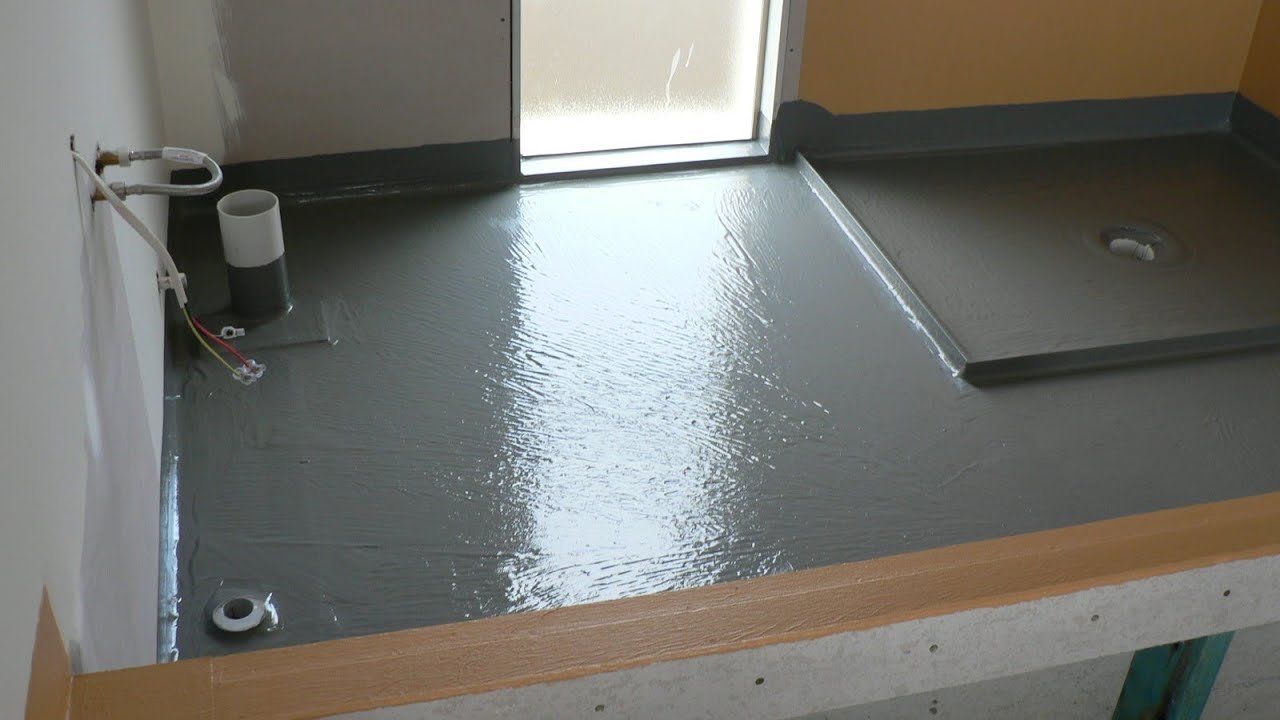
Keep the advance small and release it only after material is delivered and matched to the challans. Release the second payment after demolition and chasing are photographed and approved. Release the third after plaster and waterproofing are inspected and the waterproofing has passed a ponding test held for at least a day. Hold the last payment until debris is cleared, common areas are cleaned and the society deposit is refunded or its status is written down. At the end, collect the final measured bill, the delivery challans, a written warranty for plaster and waterproofing with a start date, and the contact of the person who will answer a defect call. Get a signed note that no dues remain.
 Image via official site