Mumbai plumber hiring guide
Match the plumbing firm to the size of your job.
For a tap or drain repair, begin with a business that explicitly lists repair work, such as Sushil Construction or Eagle Ventures. For bathroom fixture installation, Raj Plumbing publishes bath tub, shower, basin and WC services. Ask separately about concealed pipes and pressure testing. Shakti Construction lists whole-building plumbing line replacement. Mistry Construction describes residential and institutional installation projects; confirm whether it accepts a single-flat scope. Each profile links its business sources and states when those sources were reviewed. They describe advertised work, not availability or workmanship. Send the same fixture list and site photographs to each relevant firm before comparing quotations.
What a plumber does and where the work stops.
A plumber lays and connects the water supply lines, drainage lines and fixtures inside your flat. That covers concealed pipes in walls and floors, exposed pipes in ducts, taps, basins, WCs, showers, geyser connections, pressure testing and leak repair. Most plumbers also cut the wall chases their pipes need, but confirm this in the quote. The work stops at several points. Waterproofing of the bathroom floor belongs to a waterproofing applicator or civil contractor. Wall and floor tiles belong to the tiler. Power for a geyser or pump belongs to the electrician. Any work on the society riser, main line or terrace tank needs society permission and often the society plumber. Ask each candidate to name which of these they include and which they hand over.
How to vet a plumber before you pay.
Visit a site where the plumber is working now and look at the pipes before they are covered. Check that pipes are clipped, joints are clean and the plumber can show a pressure test record for that site. Ask for two finished bathrooms at least a year old and call those owners about leaks. For a firm, ask for its GST registration and check the name matches the quote. For an individual, note the full name, mobile number and a photo identity document, and confirm the person quoting is the person who will do the work. Ask which shop supplies their pipes and fittings and whether you can pay that shop directly. A plumber who refuses to show live concealed work has told you something useful.
What a proper plumbing quotation contains.
A usable plumbing quote states the basis of each rate. Most quotes charge per point, so the quote must define a point, list the count of supply points and drain points per bathroom and kitchen, and price pipe runs to the riser separately by running metre. It names the pipe type, brand and pressure class for hot water, cold water and drainage, and the brand of fittings and valves. It says whether taps, WCs, basins and geysers are included or supplied by you. It lists chasing, making good, core cutting, debris removal, transport and lifting to your floor as included or excluded. It states GST, the leak warranty period and payment stages tied to visible work. Ask for the wastage allowance on pipe and the cost of moving a point later.
Common plumbing frauds and how to catch them.
The most costly tricks happen inside walls. A plumber shows you a branded pipe and then buries cheaper fittings or a lower pressure class in the chase. Joints are hidden in the wall without a pressure test, so leaks appear months later behind tiles. Solvent cement is skipped or the wrong type is used on CPVC joints. Point counts are padded by counting one basin as three points, or old lines are reused and billed as new. Drain pipes are undersized or traps are left out to save money. Some pipes carry a printed ISI mark that the brand never applied for. On repair calls, an "urgent full replacement" is pushed for a single leaking joint. Photograph every pipe run before plaster, insist on a witnessed pressure test and buy pipes yourself if in doubt.
When to hire a plumber directly and when to go through a contractor.
Hire a plumber directly for a repair, a geyser connection or re-piping one bathroom where no other trade follows. The moment tiling, waterproofing or a new sunken slab is involved, the interfaces matter more than the plumbing rate. If a pipe leaks behind a new tiled wall, the plumber blames the tiler, the tiler blames the waterproofing and you pay to open the wall. A civil, interior or turnkey contractor who employs all three carries that warranty as one party and sequences the trades. If you still hire the plumber directly on a larger job, write down who coordinates positions, who inspects before tiles go on and who pays if trades clash. Do not leave that to a site conversation.
Sequence, dependencies and site checks during plumbing work.
Choose your taps, WC, basin and geyser before pipes are laid, because outlet positions depend on the fixture. Have the plumber mark every outlet on the wall and approve the marking with you. Chasing and piping follow, then a pressure test held for at least a day with a gauge you can see. Photograph every wall and floor run with a tape measure in the frame before plaster covers it. Waterproofing and its ponding test come next, then tiles, then fixture fitting. Confirm the floor slope drains to the trap before tiling. Book the society for any riser connection or water shutdown in advance. Keep the photos, the test reading and the fixture invoices in one folder.
Payment, handover and warranty closure for plumbing.
Pay a small advance only against pipes and fittings delivered to your site with a shop invoice in your name or the plumber's. Release the second stage after the pressure test passes in front of you and the concealed-work photos are in your hands. Release the final amount after fixtures are fitted, every tap runs, every drain clears and no joint weeps for a few days of use. Hold back the agreed retention until then. At handover collect the pipe layout photos or sketch, the pressure test reading, the fixture invoices and warranty cards, a written leak warranty with its period and the contact of the person who did the work. Without these, a leak in year two becomes your cost.
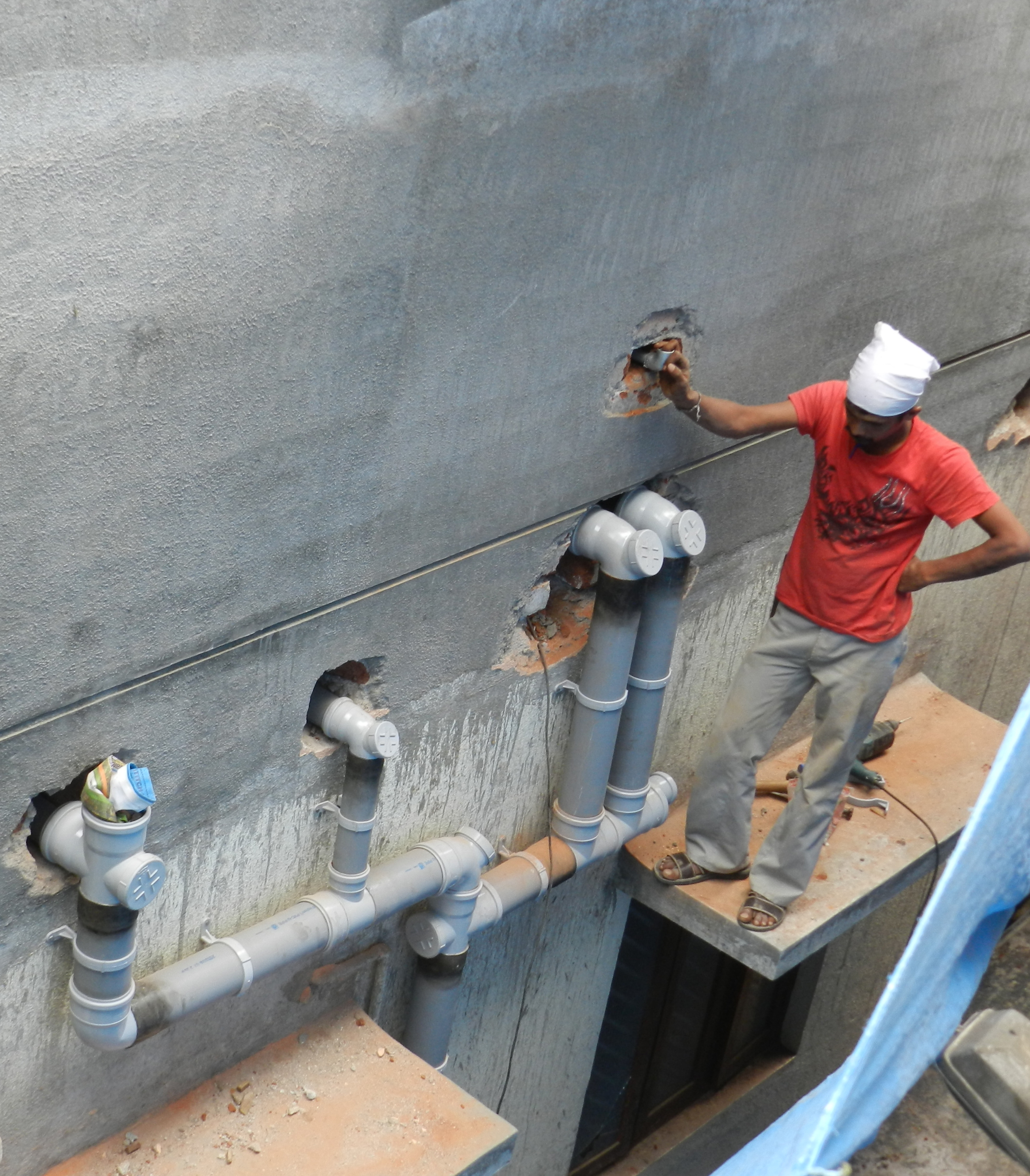 Image via official site