Mumbai renovation decisions
Use this page to compare renovation contractors and services.
Semrush India reports 110 monthly searches and KD 9 for “home renovation contractors in Mumbai.” Its results mix contractor service pages with directories including Justdial, Houzz, HomeTriangle, Sulekha and IndiaMART. The same provider pattern appears for “home renovation services” at 880/KD 17 and “house renovation services” at 320/KD 15. Broader contractor and remodeling spellings resolve to this provider-search job, so one evidence-led owner serves them instead of creating service, company, work and near-me aliases. This page does not repeat the phase-by-phase planning job owned by Interio's renovation checklist or claim that six firms represent the whole market.
Separate renovation from a new-home interior package.
Existing homes create information and risk that a new possession may not. Before comparing firms, record what remains, what is removed and which condition is unknown. Survey dimensions, levels and visible services; identify damp, leakage or cracking that may need appropriate investigation; and list retained flooring, doors, windows, kitchens, bathrooms, furniture and equipment. Ask whether the proposed scope includes protection, shifting, demolition, debris, making good, temporary services and repeated mobilization. If residents remain during work, define usable rooms, access, dust separation, safety and the sequence for belongings. A headline package cannot be compared responsibly until these existing-condition responsibilities are visible.
Match the appointment model to unresolved decisions.
A renovation contractor can execute a defined scope, while a design-and-build or turnkey firm may also survey, plan, document, specify, procure and coordinate it. Labels do not prove what is included. Ask who produces the measured base, layouts, service information, joinery details, finish schedules and quantities; who checks specialist design; who coordinates building requirements; and who reviews work before it is covered. Name the contracting entity, project lead and site contact. If a separate designer or architect is involved, use a responsibility matrix for every interface. If one firm promises a complete service, require the same responsibilities to appear in its proposal and contract rather than relying on the word “turnkey.”
Put Mumbai building logistics into the brief.
Obtain the current society or building process for working hours, permissions, contractor registration, access, lift use, common-area protection, delivery slots, storage, debris removal, shutdowns and deposits. Record which rules are confirmed, who confirmed them and which remain pending. Ask each candidate how the proposed team and programme respond to the actual route from vehicle to apartment, lift dimensions, limited staging and occupied neighbours. Do not assume a contractor's previous Mumbai work makes every building condition identical. Where changes affect structure, external openings, common systems, fire provisions or regulated professional roles, identify the appropriate building, consultant or authority checks before design, demolition or procurement proceeds.
Release investigation, demolition and procurement in sequence.
Do not treat the start date as permission to open every room or order every item. First record the pre-work condition, isolate services safely through the responsible parties, label retained items and agree the investigation points needed to expose uncertain construction. For each discovery, require a dated record, the relevant specialist or design response, a priced change where needed and owner authorization before dependent work continues. Release demolition by area; release concealed work only after defined checks; and release long-lead orders only after dimensions, specification, sample, quantity, price and delivery responsibility are accepted. In an occupied home, connect each room release to protection, temporary use, cleaning, testing and safe return. Ask candidates to show these gates in a simple programme so an early demolition promise does not hide unresolved design, building or procurement decisions.
Compare one scope and one commercial basis.
Give each candidate the same project brief, existing-condition record, drawings, room scope, retained items, building constraints and required response format. Compare design fees, execution work, owner purchases, taxes and risk allowances separately. Require quantities, units, material systems or named allowances, supply and installation responsibility, exclusions, provisional items and validity dates. For each candidate, verify the exact service claim used for inclusion, then ask for a comparable completed project and the firm's responsibility on it. Normalize differences before negotiating. A low total may omit design, service upgrades, protection, transport or handover records; a high total may include work another bidder left outside the price.
Contract the change and handover process before work starts.
Renovation exposes conditions that cannot always be confirmed before opening work, so the appointment needs a controlled response rather than an undefined contingency. State who records a discovery, who decides the solution and what written information is required before changed work proceeds. Every variation should identify scope, quantity, specification, price, tax, programme effect and approval. Link payments to defined evidence or completed work, not calendar dates alone. Define inspections, tests, photographs of concealed work where relevant, snagging, warranties, manuals, keys, spare materials, final drawings and account reconciliation. Confirm current availability, references, insurance and commercial terms directly; Interio's source checks do not verify project performance or endorse an appointment.
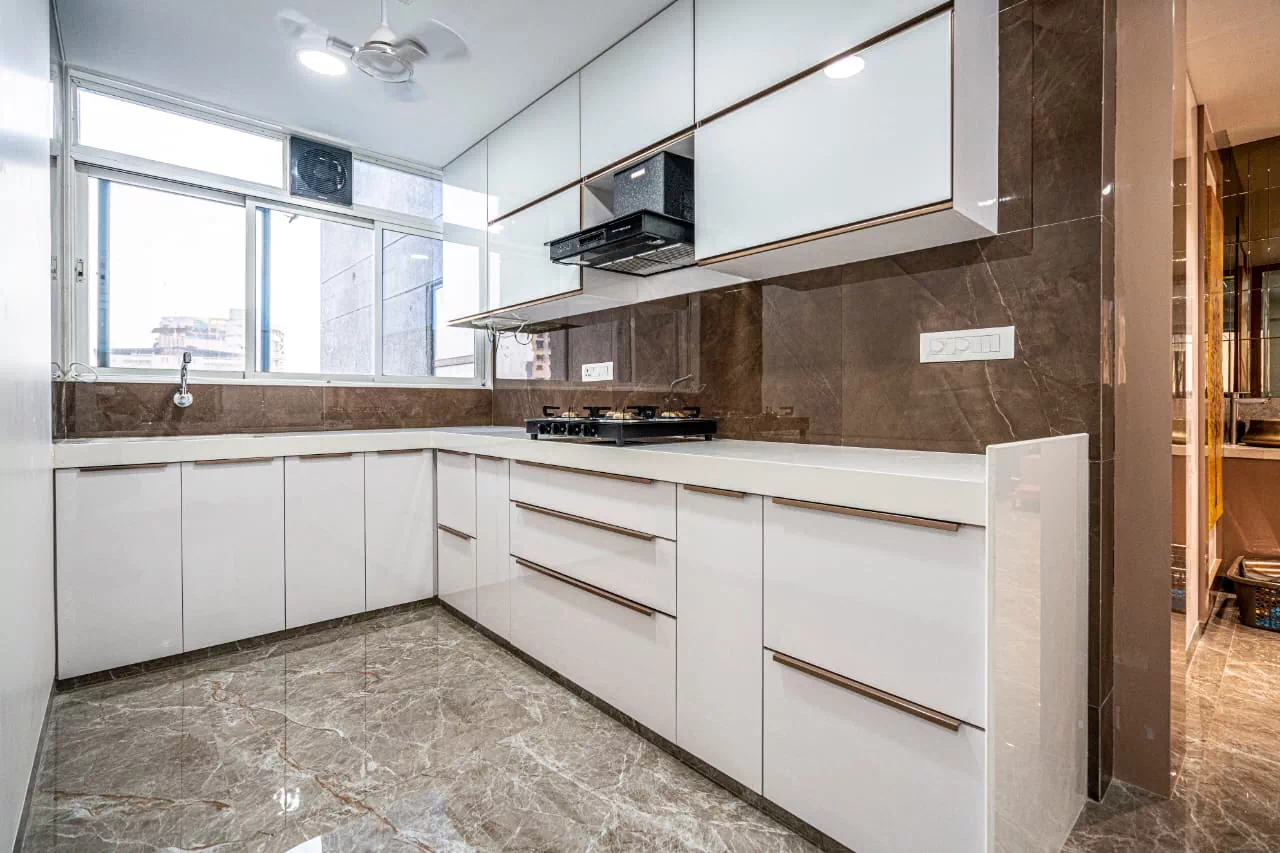
 Image via official site