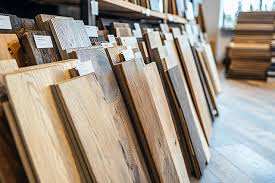
Mumbai material buying guide
What a material supplier sells and what a supplier does not do.
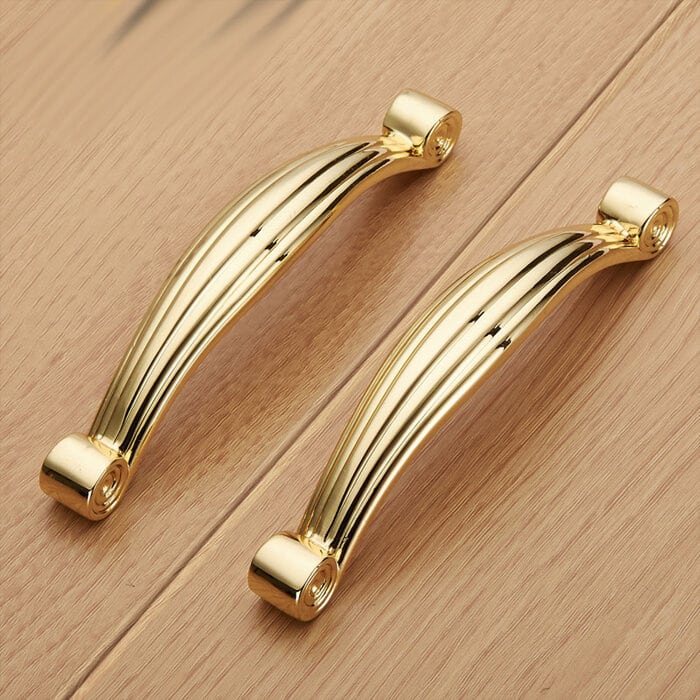
A plywood, laminate and hardware supplier sells sheets, boards, decorative laminates, veneers, edge banding, adhesives and furniture fittings such as hinges, drawer channels, handles, locks and lift systems. Larger dealers also stock doors, flush door frames and kitchen accessories. The supplier delivers to your site or society gate and issues a tax invoice. The supplier does not cut, install or fix anything, does not measure your home, does not take responsibility for how much material your carpenter says is needed, and does not warrant workmanship. Brand warranties on plywood and hardware belong to the maker, and the dealer only passes them on. Treat the dealer as a shop, and keep the carpenter or contractor responsible for quantities and installation.
How to vet a dealer before you buy.
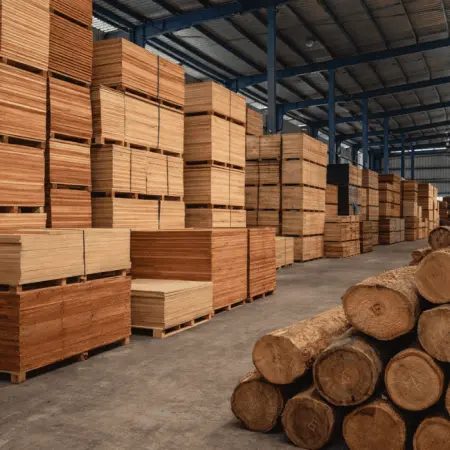
Visit the shop and the godown, since many dealers keep stock away from the counter. Ask for the GST number and check that the trade name on the board, the invoice and the bank account match. Ask whether the dealer is an authorised dealer for the brands you want and ask to see the brand's dealer certificate or listing, because many shops sell a brand without being appointed by it. Look at how sheets are stored, since plywood left on a wet floor or in sun warps before it reaches you. Ask a carpenter you trust which dealers they use and which they avoid, but buy from the shop yourself. A dealer who refuses a tax invoice or wants payment to a personal account is telling you something.
What a proforma and a tax invoice must contain.
Ask for a proforma invoice before you pay, which is a priced list of what you will receive. It should name each item with the brand, product line, grade, thickness and sheet size, the quantity in sheets or pieces, the rate and unit, the tax rate and amount, delivery charges, and the delivery date. For hardware it should name the brand, model or article number and the finish. The tax invoice you receive on delivery should match the proforma line by line and show the dealer's GST number, your name and site address, the invoice number and date. Keep both documents, because the brand warranty on plywood and hardware is claimed through the tax invoice, and a dispute over grade is settled against what the invoice says you paid for.
Grade and brand substitution frauds and fake marks.
The common losses in material buying are grade and brand swaps that look identical on the face. You pay for boiling water resistant plywood and receive moisture resistant or commercial grade with a similar stamp. A fake ISI mark is printed on a low-grade sheet, so check the stamp shows a licence number and the standard reference, such as IS 303 for plywood and IS 710 for marine grade, and look the licence up on the BIS website before you accept a large lot. Only the first few sheets in a stack are stamped and the rest are unbranded. Laminate from a lesser maker is sold under a known brand name with a re-printed backing. Hardware arrives in a branded box with an unmarked copy inside. Open packing on delivery, compare with a known sample, and photograph every stamp.
Buy material yourself or through the contractor.
Buy material yourself when you want direct control over grade and brand and you can be present for delivery and counting. You then hold the tax invoice, the brand warranty is in your name, and the carpenter cannot swap what you did not buy. The cost is your time, the storage on site, and responsibility for shortages or over-ordering. Buy through the contractor when the work is large and the contractor is answerable for both material and workmanship under one warranty. In that case ask for the original dealer invoices for every lot, photograph the stamps as sheets arrive, and check quantities against the quotation. If a clash arises between what the contractor ordered and what the site needed, the contractor pays, not you.
Delivery checks that protect your money.
Be on site when material arrives, or send someone who has the proforma and a sample. Count every sheet and box against the invoice before the delivery vehicle leaves. Turn over sheets and check that every sheet carries the brand stamp, grade and thickness, not only the first one. Measure the thickness of a few sheets with a scale or gauge, because a sheet sold as one thickness is sometimes a millimetre or more thinner. Look at the edges for gaps, voids and overlapping core layers. For hardware, open cartons and check the maker's mark on the fitting itself. Photograph the stack, the stamps and the invoice together on the day. Refuse the lot in writing if the grade or count is wrong, before anything is cut.
Payment and return terms with a dealer.
Pay a dealer in full only after you have counted and checked the delivered material, unless a small advance is needed to reserve stock. Pay to the account named on the tax invoice and keep the transfer record with the invoice. Agree the return terms before you order, in writing on the proforma if possible. Ask whether uncut, undamaged full sheets and unopened hardware cartons can be returned, within how many days, and at what deduction. Ask who bears transport on a return. Ask how a manufacturing defect found after cutting is handled, since the brand rather than the dealer usually decides that claim. Keep every invoice until your carpenter's warranty ends, because a claim on a warped sheet or a failed hinge starts with proof of purchase.
 Image via official site